Osseo's Older Homes and the Roof Systems They Carry
What Osseo's Oldest Residential Blocks Tell You About Roofing
Properties throughout Osseo carry some of the most compressed roofing histories in the northwest metro. The housing stock here is predominantly pre-1970s construction, and many of those original roof systems were replaced once — or not at all. What makes Osseo distinct is the density. Homes sit close together on compact lots with limited attic depth, and the original ventilation configurations from that era were not designed with Minnesota's freeze-thaw severity in mind. When heat escapes through an under-ventilated attic into accumulated snow above, the ice dam formation cycle begins at the eave line. Owners on Osseo's established blocks deal with this annually — water intrusion behind fascia, lifting shingles at the lower courses, and interior staining that traces back to roofing failures rather than plumbing. The proximity of properties to each other also affects drainage expectations. Gutters and downspouts on tight lots carry more load when neighboring impervious surfaces redirect runoff. Over time, the weight and freeze cycles accelerate sheathing deterioration in ways that aren't visible from the street. A roof inspection on an Osseo property should account for more than shingle surface condition. Decking integrity, attic ventilation capacity, and eave detail are the variables that determine whether a replacement is a straightforward one-day project or a more involved structural correction. Understanding those factors before the first nail comes out is what separates a competent installation from one that creates problems within a few seasons.
Roof Replacement Planning for Compact Osseo Properties
The age of construction in Osseo also means the framing and decking underneath visible shingles has been exposed to decades of seasonal compression. Wood decking installed in the 1950s and 1960s absorbed moisture through roof penetrations, around chimney flashings, and along ridge and valley lines before anyone understood that underlayment systems needed more than a single layer of felt. When that decking is finally exposed during tear-off, replacement contractors routinely find soft spots, rot pockets, and compromised nailing surfaces that were not apparent during pre-job inspection. This matters for material selection. Architectural shingles installed over compromised decking do not perform to their rated specifications — the nailing substrate fails before the shingle material does. Osseo homeowners evaluating replacement proposals should ask contractors directly how decking is assessed before installation begins and what the protocol is when compromised sections are found mid-project. The roof pitch profiles on Osseo's residential blocks are predominantly low to moderate, which means water shedding capacity depends more heavily on material quality and underlayment than on gravity alone. Low-slope installations in northern climates require ice and water shield coverage beyond minimum footprint — extending into the secondary drainage zone where ice dam backup most frequently occurs. Contractors familiar with Osseo's specific combination of housing age, pitch profile, and winter exposure account for these variables in every scope of work they put together.
Full Roof Replacement for Osseo's Older Residential Stock
Replacing a roof on an Osseo property starts with an accurate picture of what's underneath the existing shingles. The housing age here means sheathing decisions cannot wait until tear-off day. Pre-project inspection of attic conditions — decking moisture levels, sheathing integrity at valley and eave areas, and fastener pull-through resistance — establishes whether the project will require deck board replacement alongside the standard surface system. Board-sheathed homes from the 1950s and early 1960s often have sections of decking that pass visual inspection but show soft spots under direct pressure — an indicator of subsurface moisture damage developing over multiple seasonal cycles. The tear-off sequence on Osseo's compact lots requires thoughtful debris management. Limited staging areas and neighboring property proximity mean that dumpster placement and material delivery need to be coordinated in advance. Underlayment selection on Osseo properties should lean toward synthetic product rather than felt given the housing age and the likelihood of reusing existing penetration flashings during the first pass. Synthetic underlayment provides better resistance to moisture during the installation window and carries stronger tear resistance when fastening around existing penetration points. Ice and water shield should extend to the minimum manufacturer requirement plus additional courses on all north-facing and east-facing eave lines where ice dam backup most likely occurs based on Osseo's wind and snowfall patterns. Every penetration — pipe boots, ventilation caps, chimney flashings — should be addressed as part of the replacement scope rather than deferred as a separate project.
Storm and Hail Damage Assessment in Osseo
Hail events moving through the northern Twin Cities corridor affect Osseo properties with the same frequency and intensity as surrounding communities. The difference on older properties is that pre-existing shingle condition — surface granule loss, cracking along tab lines, lifting at course transitions — makes the baseline harder to distinguish from storm-specific damage without systematic inspection methodology. Contractors assessing storm damage on Osseo roofs need to establish a pre-storm condition baseline through material age and installation date records before attributing any finding to the most recent event. This distinction matters in insurance contexts. Minnesota homeowner policies cover sudden storm events, not gradual wear — a point that adjusters apply carefully when the damaged property has clearly aged shingles with pre-existing granule loss. An accurate inspection documents what is storm-caused versus what was present before the storm, which gives homeowners an honest basis for understanding what their claim is likely to cover. Wind damage on Osseo properties tends to concentrate at ridge caps and perimeter course shingles, where fastening patterns and exposure angles create higher lift loads. Compact residential spacing means wind channeling between structures can create localized high-velocity events that pull shingles at the perimeter even when interior field courses remain intact. Post-storm assessment should include ridge, perimeter, and valley sections — not just the field area where granule splash marks are most visible from the ground. Documenting with time-stamped photography immediately after a storm event provides the most defensible record for any subsequent insurance submission.
Ice Dam Prevention and Winter Roof Performance in Osseo
Ice dams are not a weather problem — they are a building envelope problem that weather conditions reveal. In Osseo's older housing stock, the combination of inadequate attic ventilation, aging insulation, and decades of seasonal heat cycling creates conditions for ice dam formation even in moderate winter events. The process begins at the ridge, where heat escaping through under-insulated or poorly vented attic space warms the roof deck above conditioned space. Snow on the warmed section melts and runs down toward the eave, where roof deck temperature drops below freezing. The meltwater refreezes at the eave and forms a dam that backs liquid water under the shingle tabs. Replacement projects on Osseo properties that include ventilation system correction alongside the shingle replacement address both the immediate surface problem and the underlying building envelope condition. Adding ridge ventilation, correcting blocked soffit ventilation, and ensuring proper airflow from soffit to ridge reduces attic temperature differential and breaks the ice dam formation cycle. Ice and water shield membrane installation at eave and valley locations provides secondary protection against water intrusion during the installation window. Owners who skip the ventilation assessment during replacement and install only new surface materials often find that ice dam symptoms return by the second or third winter after installation — because the building envelope condition driving them was never addressed. The ventilation conversation belongs at the inspection phase, not as an afterthought once the shingles are already ordered and the crew is scheduled.
Comprehensive Residential Roofing Services in Brooklyn Park
Tailored to Your Needs
From full roof replacements on aging Brooklyn Park homes to emergency storm damage repairs and attic ventilation upgrades — we handle every aspect of residential roofing in the northwest Hennepin corridor.
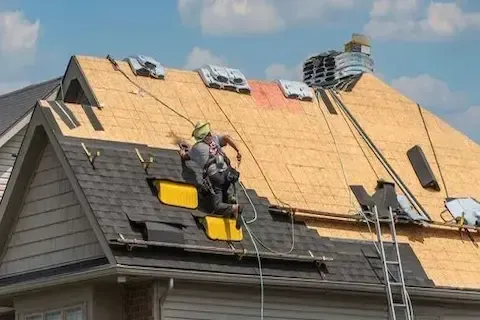
Full roof replacement for Brooklyn Park homes — asphalt, metal, and impact-rated options with Hennepin County permits on every job.
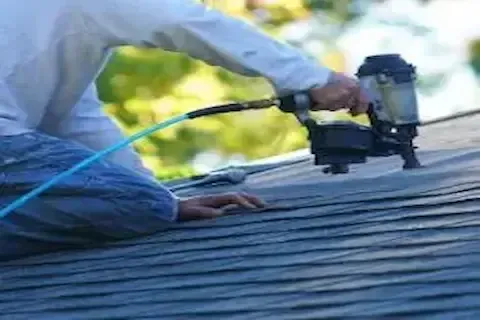
Targeted roof repairs for Brooklyn Park homes — shingle replacement, flashing repair, and leak diagnosis with same-week scheduling.
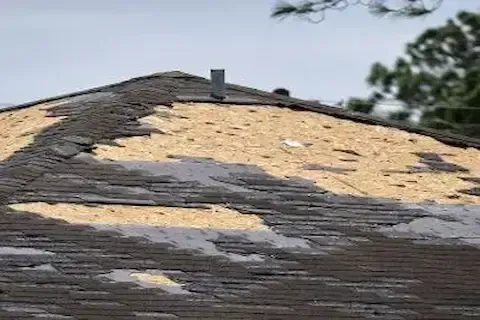
Storm damage roof repair for Brooklyn Park homeowners — hail documentation, adjuster coordination, and Hennepin County insurance claim support.
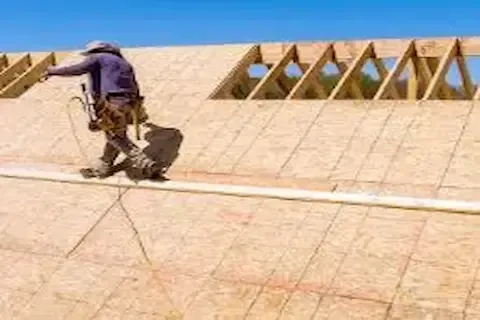
Roof decking repair and replacement for Brooklyn Park homes - damaged OSB and board decking replaced to code before new roofing material is installed.

Free roof inspections for Brooklyn Park homeowners — written reports covering shingle condition, decking, ventilation, and flashing integrity.
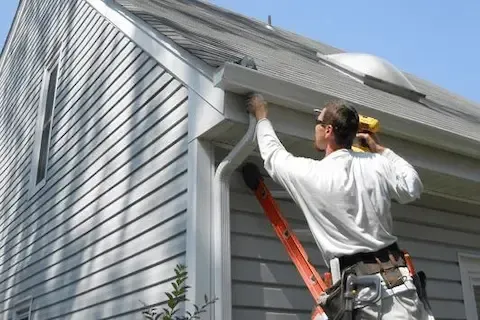
Gutter installation, repair, and full replacement for Brooklyn Park homes - seamless aluminum, properly sized, pitched, and sealed for Minnesota snowmelt.
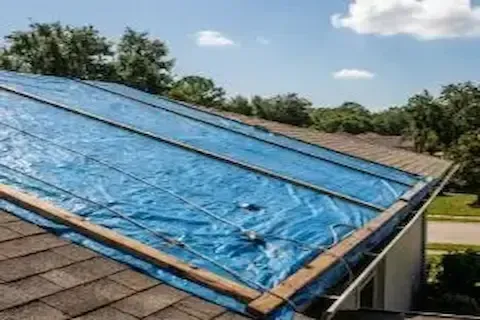
Emergency roof repair for Brooklyn Park homeowners — same-day response for active leaks, storm damage, and structural compromise.
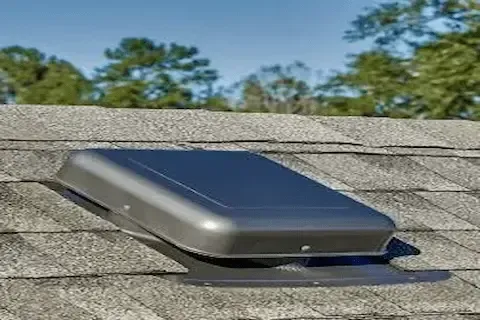
Attic ventilation upgrades for Brooklyn Park homes — ridge vents, soffit vents, and balanced airflow systems that prevent ice dams and extend roof life.
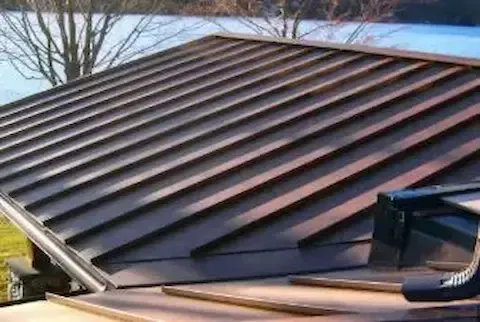
Metal roof installation in Brooklyn Park MN — standing seam and metal shingle systems rated for Minnesota winters, hail, and decades of freeze-thaw cycles.
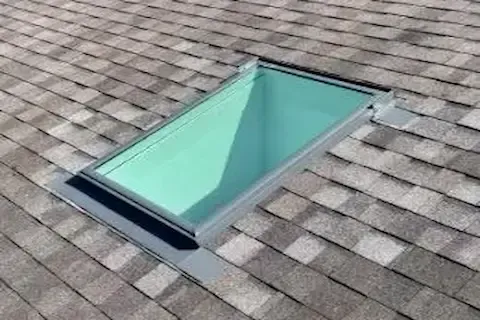
Skylight repair for Brooklyn Park homes — flashing diagnosis, curb repair, and full skylight replacement when the frame or glazing has failed.
Frequently Asked Questions
Residential Roofing can be complex, and we’re here to provide answers to common questions. Here are some frequently asked questions from our clients.
Frequently Asked Questions about Roof Replacement Brooklyn Park MN
How do I know if my Brooklyn Park home needs a roof replacement?
If your roof is 20 or more years old, showing widespread granule loss in your gutters, or has multiple areas of lifting or missing shingles, it is likely past repair. Brooklyn Park homes built in the 1960s and 70s — especially in the north end — are well into replacement territory. We inspect the decking and ventilation too, because those issues are common in older homes and affect how long any new roof lasts.
What does a roof replacement cost in Brooklyn Park MN?
Cost in Brooklyn Park comes down to square footage, roof pitch, how many layers come off, and the shingle line you choose. Asphalt architectural shingles are the most common choice here given Minnesota's freeze-thaw cycles, and metal costs more upfront but carries a longer lifespan - a real consideration for 1980s south Brooklyn Park homes entering their first replacement window. We measure and inspect first, then give you a firm written quote rather than a ballpark that moves after tear-off.
Does homeowner's insurance cover roof replacement in Minnesota?
It depends on the cause. Hail and wind damage — both common in Brooklyn Park's northern suburban location — are typically covered under most Minnesota homeowner policies. Age-related wear and gradual deterioration are generally not covered. We walk through Hennepin County claim documentation with every customer who has a legitimate storm damage case so nothing gets left on the table.
How long does a roof replacement take in Brooklyn Park?
A standard single-family home in Brooklyn Park takes one to two days for a full replacement. Larger homes, steep pitches, or situations where we find damaged decking underneath can extend the timeline. We schedule around Minnesota's weather windows and communicate any changes as soon as we know.
What roofing materials work best for Minnesota winters?
Architectural asphalt shingles rated for high wind and impact resistance are the standard for Brooklyn Park homes. We look for Class 4 impact ratings — important for hail events in northern Hennepin County — and proper ventilation pairing so the material performs as rated. Metal roofing is gaining ground for homeowners who want a 40-plus-year solution without the replacement cycle.
How do I choose a roofing contractor in Brooklyn Park MN?
Look for contractors with manufacturer certifications — GAF, Owens Corning, or IKO. Certifications matter because they tie the contractor's workmanship to the product warranty. Beyond credentials, ask how long they have been working specifically in Brooklyn Park and whether they pull permits for every job. Any contractor who skips the permit conversation is cutting corners you will discover at resale.
Need Residential Roofing?
What Our Satisfied Clients Have to Say About Brooklyn Park Roofing Co.
We pride ourselves on delivering great results and experiences for each client. Hear directly from home and business owners who’ve trusted us with their Residential Roofing needs.

They replaced our entire roof on a 1970s split-level in north Brooklyn Park. Found deck damage underneath and replaced it the same day — no delays, no runaround. Price matched the estimate exactly.
Diane Kowalski
Called after a hail event last spring. They were on-site within 24 hours, documented everything for our insurance claim, and handled the adjuster visit. Roof was done two weeks later. Exactly what you want when you are stressed about damage.
Marcus Tran
Had a skylight leak we thought was a window issue. Three companies told us to call a window company. These guys found the flashing failure on the first visit and fixed it. No more leak. Highly recommend.
Karen Sobieski
The Trusted Residential Roofing Expert Near You
Ready to hear more about expert services at Brooklyn Park Roofing Co.?
Contact us today to receive a detailed, no-obligation quote.

Brooklyn Park & the Twin Cities metro
Monday-Friday: 9am-5pm, Saturday: 11am-3pm
