Roof Replacement in New Hope Starts With What's Underneath
How New Hope's Split-Level Era Housing Shapes Roofing Decisions
Properties across New Hope represent the development era immediately following Crystal's postwar wave — the 1960s and into the 1970s, when lot sizes expanded slightly and floor plans moved toward split-level and early two-story configurations. That shift in construction style brought more complex rooflines with valleys, intersecting pitches, and a wider range of attic configurations than the simpler rambler era before it. Valleys are the most maintenance-intensive element of any roofing system. They concentrate water flow from multiple drain planes into a single channel, and when the valley metal or woven shingle configuration fails, water migrates under adjacent field shingles before it reaches the interior. On homes approaching fifty or sixty years since original installation, valley degradation is one of the leading causes of undetected leak damage. New Hope's housing stock also spans the transition from organic mat shingles — which were standard through much of the 1970s — to fiberglass-based products introduced in the 1980s. Homes in that era may have had one or more partial re-roofing events where a second layer of shingles was added over the original rather than a full tear-off. Two-layer roofing systems carry significantly more weight on the structure and retain more heat in summer, which degrades the upper shingle layer from below. Identifying existing layer count is a necessary first step before any replacement scope is finalized on New Hope properties from this construction period.
Tear-Off, Layer Assessment, and Storm Damage in New Hope
The commercial and industrial activity concentrated along New Hope's major corridors creates conditions that residential properties near those areas experience differently from properties deeper in residential zones. Roof surfaces closer to high-traffic roadways accumulate airborne particulates — diesel residue, road salt drift, and fine debris — that settle into shingle surface granules and accelerate surface oxidation. This is not unique to New Hope, but the land use pattern here puts residential properties in closer proximity to commercial traffic corridors than in outer suburban markets. Storm response is the other defining characteristic of roofing decisions in New Hope. Hail events that move through the northern Twin Cities corridor typically carry stones ranging from pea-size to half-dollar diameter. A single significant hail event creates impact bruising that may not cause immediate leaking but accelerates granule erosion and shingle cracking within one to two seasons. Homeowners who wait to assess storm damage until visible interior symptoms appear have typically allowed secondary damage to develop in the underlayment and decking layers by that point. New Hope properties with legitimate hail damage should be inspected and documented before the next Minnesota winter — freeze-thaw cycles work directly against the structural integrity of impact-compromised shingle fields in ways that become exponentially more expensive to address with each passing season. Timing is not a minor consideration in this market.
Layer Assessment and Full Tear-Off on New Hope Homes
Before any material is ordered or crew is scheduled on a New Hope replacement project, the existing layer count must be confirmed. Minnesota code allows up to two shingle layers on a residential structure, and many New Hope properties from the 1970s and 1980s had a second layer applied when the original shingles showed surface wear. The problem with layered installations is not code compliance — it is what the layers conceal. Decking condition, ventilation adequacy, and flashing integrity at every penetration point are all inaccessible without a full tear-off that removes both layers down to the structural sheathing. Full tear-off on a New Hope split-level is more involved than on a single-pitch rambler. Multiple intersecting roof planes mean more valley work, more transitions between pitch angles, and more opportunity for the installation crew to introduce error at complex intersections. The installation sequence on intersecting planes matters — valley flashing must be set before field courses are run, and penetration work must be integrated with the shingle course rather than cut in afterward. Projects managed with this sequencing discipline produce installations that perform as rated. Projects where field courses are run first and penetration work is cut in afterward create joints that are mechanically inferior to woven or properly flashed integrations. Homeowners on New Hope's split-level blocks should ask replacement contractors specifically how they handle valley and penetration sequencing before committing to a scope of work.
Hail Impact Documentation and Insurance Filing in New Hope
Documenting hail damage on a New Hope property requires a methodical approach across all roof planes, not just the most obviously impacted surfaces. Hail typically arrives with directional wind bias, which means impact marks concentrate on the windward planes while leeward slopes may show minimal or no direct strike evidence. Insurance adjusters assess all planes independently — if damage does not meet claim threshold on every plane, the settlement may cover only the affected surfaces rather than a full system replacement. Understanding how adjuster methodology works helps New Hope homeowners navigate the documentation process more effectively. Impact marks on asphalt shingles appear as circular areas of exposed mat where granules are displaced — not all dark spots qualify. Soft metal testing on gutters, flashing, and vents provides independent confirmation of impact event severity because these surfaces retain dent patterns more consistently than shingle granule fields. An inspector who photographs all planes, measures impact mark density across multiple test squares, and examines soft metal surfaces builds a documentation package that is significantly harder for a carrier to undervalue. New Hope homeowners should retain copies of all inspection documentation, adjuster worksheets, and contractor estimates before any repair work begins. Replacement scope changes that are identified during the project — additional decking damage, concealed flashing failure — should be supplemented to the original claim with supporting documentation rather than absorbed as contractor cost overruns the homeowner pays separately.
Valley System Replacement on New Hope's Split-Level Roofs
Valley system replacement on New Hope's split-level roofs involves more than laying new shingles over the drain channel. Metal valley flashing — typically aluminum or galvanized steel — must be installed as a continuous liner from ridge to eave before any shingle work proceeds in that drain plane. The metal gauge and width must accommodate the water volume the valley carries based on the combined drainage area of the two intersecting planes. Undersized valley flashing on a large-area split-level installation creates overflow conditions during peak precipitation or snowmelt events that compromise the shingle edges bordering the valley. Woven valley installation — where shingles from alternating planes are interlocked across the valley center without exposed metal — performs differently than open metal valleys under Minnesota's freeze conditions. Woven valleys are more susceptible to ice retention at the valley bottom because the interlocked shingle mass holds snow in place rather than allowing it to slide. For New Hope properties with north-facing valleys or valleys that receive limited direct sun, open metal valley with adequate flashing width typically provides better seasonal performance. Penetrations within or adjacent to valley zones — skylights, pipe boots, dormer flashings — require independent flashing treatment that integrates correctly with the valley system rather than overlapping it. These intersections are where post-installation leaks most commonly originate on complex split-level roofs, and they deserve specific attention during any replacement project on New Hope properties of this roofline complexity.
Comprehensive Residential Roofing Services in Brooklyn Park
Tailored to Your Needs
From full roof replacements on aging Brooklyn Park homes to emergency storm damage repairs and attic ventilation upgrades — we handle every aspect of residential roofing in the northwest Hennepin corridor.
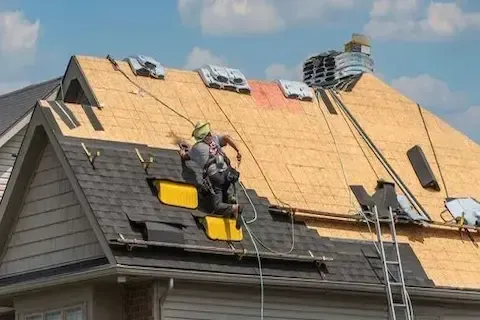
Full roof replacement for Brooklyn Park homes — asphalt, metal, and impact-rated options with Hennepin County permits on every job.

Targeted roof repairs for Brooklyn Park homes — shingle replacement, flashing repair, and leak diagnosis with same-week scheduling.
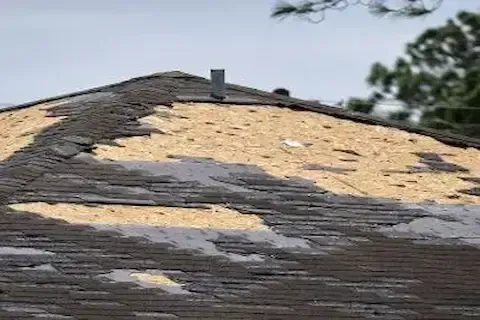
Storm damage roof repair for Brooklyn Park homeowners — hail documentation, adjuster coordination, and Hennepin County insurance claim support.
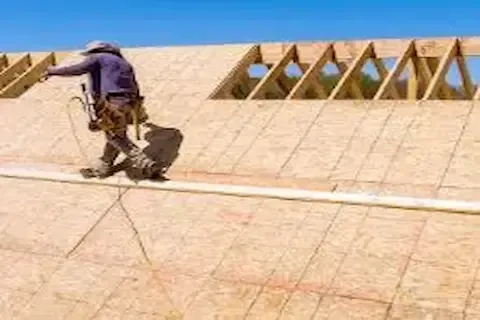
Roof decking repair and replacement for Brooklyn Park homes - damaged OSB and board decking replaced to code before new roofing material is installed.

Free roof inspections for Brooklyn Park homeowners — written reports covering shingle condition, decking, ventilation, and flashing integrity.
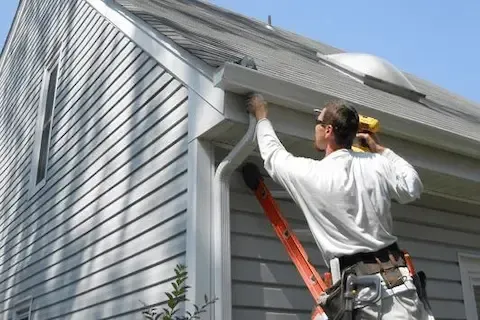
Gutter installation, repair, and full replacement for Brooklyn Park homes - seamless aluminum, properly sized, pitched, and sealed for Minnesota snowmelt.
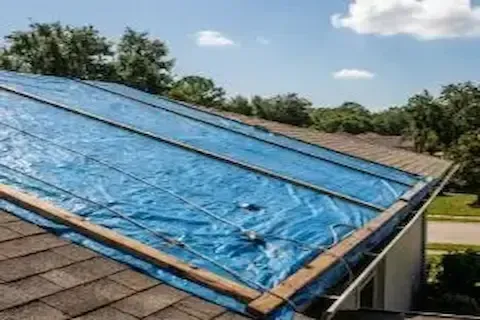
Emergency roof repair for Brooklyn Park homeowners — same-day response for active leaks, storm damage, and structural compromise.
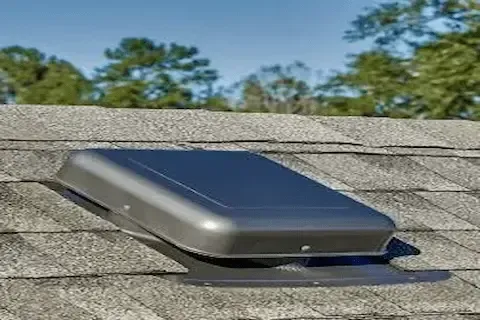
Attic ventilation upgrades for Brooklyn Park homes — ridge vents, soffit vents, and balanced airflow systems that prevent ice dams and extend roof life.
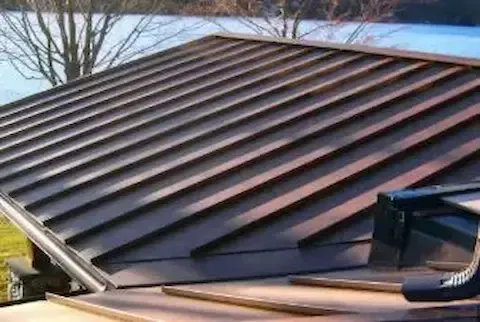
Metal roof installation in Brooklyn Park MN — standing seam and metal shingle systems rated for Minnesota winters, hail, and decades of freeze-thaw cycles.
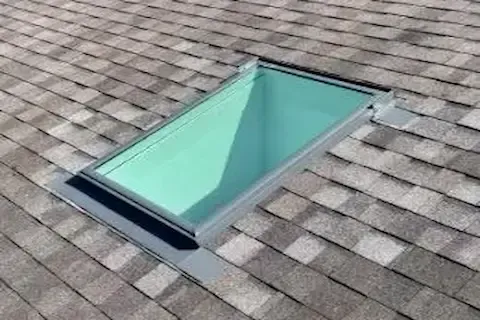
Skylight repair for Brooklyn Park homes — flashing diagnosis, curb repair, and full skylight replacement when the frame or glazing has failed.
Frequently Asked Questions
Residential Roofing can be complex, and we’re here to provide answers to common questions. Here are some frequently asked questions from our clients.
Frequently Asked Questions about Roof Replacement Brooklyn Park MN
How do I know if my Brooklyn Park home needs a roof replacement?
If your roof is 20 or more years old, showing widespread granule loss in your gutters, or has multiple areas of lifting or missing shingles, it is likely past repair. Brooklyn Park homes built in the 1960s and 70s — especially in the north end — are well into replacement territory. We inspect the decking and ventilation too, because those issues are common in older homes and affect how long any new roof lasts.
What does a roof replacement cost in Brooklyn Park MN?
Cost in Brooklyn Park comes down to square footage, roof pitch, how many layers come off, and the shingle line you choose. Asphalt architectural shingles are the most common choice here given Minnesota's freeze-thaw cycles, and metal costs more upfront but carries a longer lifespan - a real consideration for 1980s south Brooklyn Park homes entering their first replacement window. We measure and inspect first, then give you a firm written quote rather than a ballpark that moves after tear-off.
Does homeowner's insurance cover roof replacement in Minnesota?
It depends on the cause. Hail and wind damage — both common in Brooklyn Park's northern suburban location — are typically covered under most Minnesota homeowner policies. Age-related wear and gradual deterioration are generally not covered. We walk through Hennepin County claim documentation with every customer who has a legitimate storm damage case so nothing gets left on the table.
How long does a roof replacement take in Brooklyn Park?
A standard single-family home in Brooklyn Park takes one to two days for a full replacement. Larger homes, steep pitches, or situations where we find damaged decking underneath can extend the timeline. We schedule around Minnesota's weather windows and communicate any changes as soon as we know.
What roofing materials work best for Minnesota winters?
Architectural asphalt shingles rated for high wind and impact resistance are the standard for Brooklyn Park homes. We look for Class 4 impact ratings — important for hail events in northern Hennepin County — and proper ventilation pairing so the material performs as rated. Metal roofing is gaining ground for homeowners who want a 40-plus-year solution without the replacement cycle.
How do I choose a roofing contractor in Brooklyn Park MN?
Look for contractors with manufacturer certifications — GAF, Owens Corning, or IKO. Certifications matter because they tie the contractor's workmanship to the product warranty. Beyond credentials, ask how long they have been working specifically in Brooklyn Park and whether they pull permits for every job. Any contractor who skips the permit conversation is cutting corners you will discover at resale.
Need Residential Roofing?
What Our Satisfied Clients Have to Say About Brooklyn Park Roofing Co.
We pride ourselves on delivering great results and experiences for each client. Hear directly from home and business owners who’ve trusted us with their Residential Roofing needs.

They replaced our entire roof on a 1970s split-level in north Brooklyn Park. Found deck damage underneath and replaced it the same day — no delays, no runaround. Price matched the estimate exactly.
Diane Kowalski
Called after a hail event last spring. They were on-site within 24 hours, documented everything for our insurance claim, and handled the adjuster visit. Roof was done two weeks later. Exactly what you want when you are stressed about damage.
Marcus Tran
Had a skylight leak we thought was a window issue. Three companies told us to call a window company. These guys found the flashing failure on the first visit and fixed it. No more leak. Highly recommend.
Karen Sobieski
The Trusted Residential Roofing Expert Near You
Ready to hear more about expert services at Brooklyn Park Roofing Co.?
Contact us today to receive a detailed, no-obligation quote.

Brooklyn Park & the Twin Cities metro
Monday-Friday: 9am-5pm, Saturday: 11am-3pm
