Crystal's Postwar Ramblers and the Roofing Decisions They Force
Roofing Realities in Crystal's Postwar Rambler Neighborhoods
Ramblers and split-levels built across Crystal in the 1950s and 1960s carry a specific set of roofing characteristics that owners now face at replacement time. Shallow roof pitches were standard for that era — they reduced material costs and construction time on postwar housing developments. The tradeoff is that low-slope configurations shed water more slowly, which increases dwell time of standing moisture on shingle surfaces and in valley channels. In a northern climate with hard freeze cycles, that moisture retention translates to accelerated granule loss, cracking along shingle tabs, and ice accumulation in lower-pitch areas where snow compacts rather than slides. Crystal's housing stock also reflects the insulation upgrades that occurred in waves through the 1970s and 1980s — attic insulation was added to existing homes without always correcting the ventilation ratio. Homes that gained blown-in insulation without corresponding soffit and ridge ventilation adjustment created conditions for chronic moisture accumulation in the attic space. Over time, that moisture migrates into the decking and the roof system fails from underneath before surface indicators become obvious. Crystal properties in the earliest development phases — the blocks closest to western commercial corridors — tend to show the highest concentration of deferred replacement decisions. The roofing on those homes has been patched and spot-repaired across multiple ownership transfers, and cumulative patchwork is often more expensive to maintain annually than a full replacement project would cost.
Full Roof Replacement Scope on Crystal's Shallow-Pitch Homes
Installation considerations on Crystal's dominant ranch-style footprints differ from those on two-story or complex-roofline properties. Single-story ramblers have proportionally larger roof surfaces relative to living area, which means material volume and labor access are straightforward but the square footage cost per protected area is higher than it would be on a more compact footprint. Owners frequently underestimate total project scope when comparing their rambler to a neighboring split-level with a smaller visual roof profile but similar square footage underneath. The other variable specific to Crystal's housing age is the chimney and penetration inventory. Homes built before 1970 typically have brick chimneys with original mortar and step flashing that has been repaired or re-caulked rather than replaced through the decades. A roof replacement without a comprehensive chimney flashing rebuild leaves the most likely future leak point unaddressed. Contractors working Crystal properties who quote only the field shingles without examining penetration conditions are pricing the easy part of the job and leaving the problem intact. Crystal's tree coverage varies significantly by block — mature elms and maples on interior residential streets deposit debris into valleys and gutters in ways that accelerate shingle surface deterioration and increase moss growth risk. Homes on shaded lots with north-facing slopes require additional consideration around algae-resistant shingle specifications and gutter clearance planning as part of any complete replacement scope.
Replacing Roofs on Crystal's Rambler-Era Properties
Full replacement on a Crystal rambler requires a disciplined pre-project inspection before shingle selection begins. The shallow pitch profiles common on 1950s and 1960s ranch homes create drainage conditions that demand more from underlayment and ice and water shield than steeper residential pitches. Minimum code requirements for ice barrier coverage at the eave may not be sufficient for Crystal's specific combination of roof angle and attic heat loss profile — the effective backup zone for ice dam formation on a 3:12 pitch extends further from the eave than it does on a 6:12 or steeper installation. Decking assessment on Crystal properties of this age typically reveals one of two conditions: plywood sheathing from a prior replacement project that is in serviceable condition, or original board sheathing from the 1950s construction that may have gaps and brittle sections. Identifying which is present determines the underlayment fastening approach and the nailing pattern for the new shingle installation. Material selection for Crystal's low-pitch roofs should prioritize products rated for low-slope application where the pitch drops below 4:12, and synthetic underlayment over felt wherever the installation schedule may encounter weather during the process. Every valley on a Crystal rambler receives careful attention — water volume through shallow valleys is disproportionately high relative to the surface area they cover, and failure at the valley is one of the most common post-installation complaint points on these roof profiles.
Chimney Flashing and Penetration Rebuilding in Crystal
Chimney flashing on Crystal's pre-1970 homes represents the single highest-probability future leak point on any roof replacement that doesn't address it. Brick chimneys from this era have undergone sixty-plus years of thermal cycling. Even where the masonry itself is structurally sound, the step flashing and counter flashing at the roof-to-chimney transition is typically at or beyond serviceable condition on properties that haven't had full tear-off and reflashing since original construction. A complete chimney flashing rebuild during roof replacement involves removing the existing counter flashing from the mortar joints, installing new step flashing interwoven with each shingle course on the upslope sides, installing new counter flashing embedded into the mortar, and sealing the mortar joint appropriately for the climate. Skipping any step in that sequence leaves a vulnerability that becomes a leak source — typically within two to three winters in Minnesota's freeze-thaw environment. Pipe boots, plumbing vents, and any other roof penetrations on Crystal's aging homes should receive the same attention as chimney flashings. Rubber pipe boots degrade with UV exposure and temperature cycling — original or early-replacement boots on homes from the 1960s and 1970s are well past their functional lifespan. Replacing them as part of the roof replacement scope eliminates future service calls for penetration failures and completes the watertight system that the shingle installation alone cannot provide.
Storm Damage Identification and Documentation in Crystal
Storm damage assessment on Crystal properties requires distinguishing between impact events and existing wear. Hail moving through the northern Twin Cities corridor affects Crystal with the same storm tracks that cross Brooklyn Park and the surrounding northwest metro. The challenge on Crystal's older housing is that granule loss from age, UV exposure, and foot traffic from prior repair visits can resemble storm impact patterns to an untrained eye. Systematic inspection methodology matters — establishing impact mark size, distribution pattern, and consistency across all roof planes identifies storm-specific damage versus pre-existing wear. Wind damage on Crystal's shallow-pitch ramblers concentrates at perimeter courses and ridge caps. The lower the pitch angle, the greater the aerodynamic lift load on the leading edge of the roof — a physics reality that translates to perimeter shingle failures at wind speeds that wouldn't affect steeper adjacent properties. After any significant storm event, Crystal homeowners should document conditions with time-stamped photography from the ground and gutters before any temporary repairs are made. Gutter inspection after storms — checking for granule accumulation in downspout discharge areas — provides additional evidence of impact damage that can support insurance documentation. Roofing claims in Minnesota have time limits. Getting a qualified inspection completed and documented before the next major weather event is the most defensible approach to protecting what the storm damage actually entitles the homeowner to recover.
Comprehensive Residential Roofing Services in Brooklyn Park
Tailored to Your Needs
From full roof replacements on aging Brooklyn Park homes to emergency storm damage repairs and attic ventilation upgrades — we handle every aspect of residential roofing in the northwest Hennepin corridor.
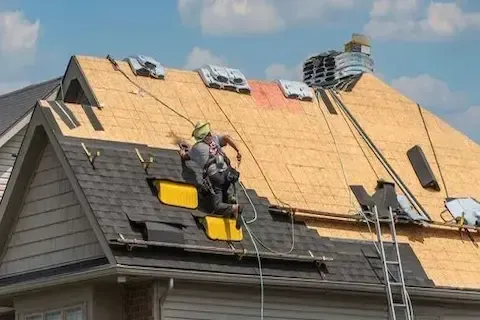
Full roof replacement for Brooklyn Park homes — asphalt, metal, and impact-rated options with Hennepin County permits on every job.
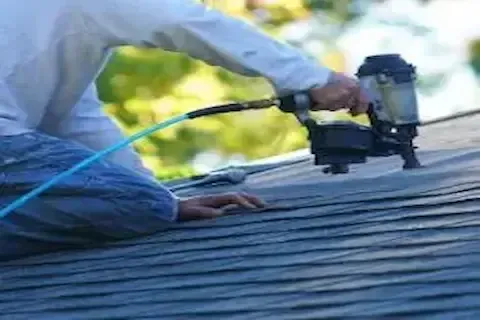
Targeted roof repairs for Brooklyn Park homes — shingle replacement, flashing repair, and leak diagnosis with same-week scheduling.
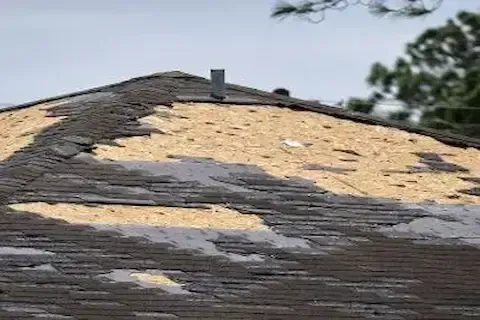
Storm damage roof repair for Brooklyn Park homeowners — hail documentation, adjuster coordination, and Hennepin County insurance claim support.
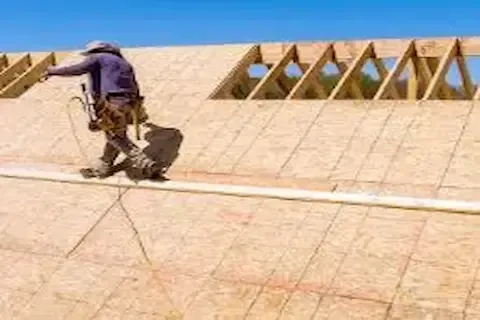
Roof decking repair and replacement for Brooklyn Park homes - damaged OSB and board decking replaced to code before new roofing material is installed.

Free roof inspections for Brooklyn Park homeowners — written reports covering shingle condition, decking, ventilation, and flashing integrity.
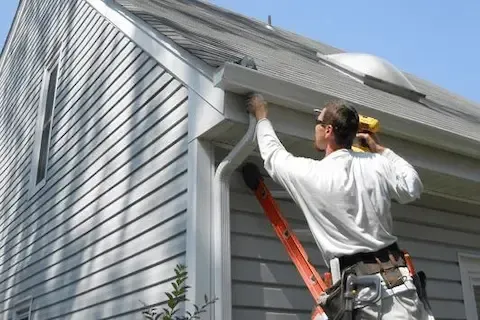
Gutter installation, repair, and full replacement for Brooklyn Park homes - seamless aluminum, properly sized, pitched, and sealed for Minnesota snowmelt.
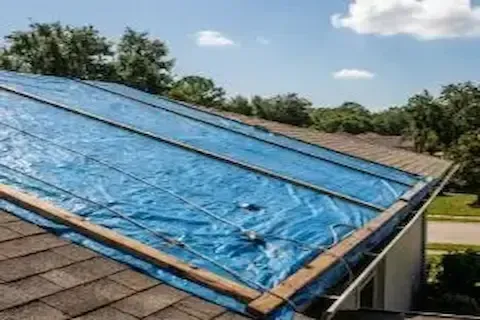
Emergency roof repair for Brooklyn Park homeowners — same-day response for active leaks, storm damage, and structural compromise.
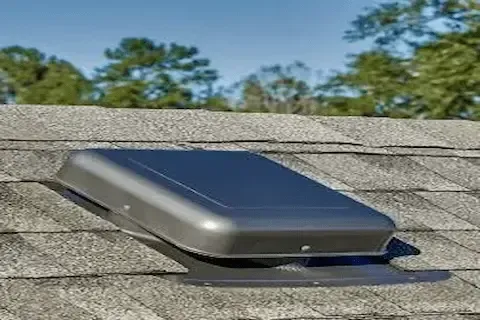
Attic ventilation upgrades for Brooklyn Park homes — ridge vents, soffit vents, and balanced airflow systems that prevent ice dams and extend roof life.
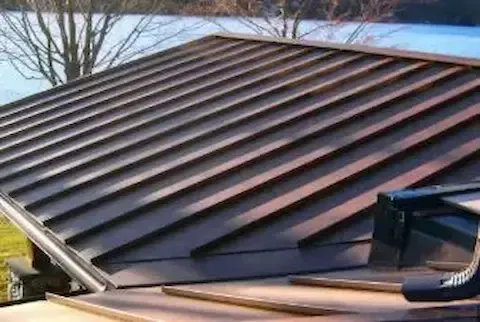
Metal roof installation in Brooklyn Park MN — standing seam and metal shingle systems rated for Minnesota winters, hail, and decades of freeze-thaw cycles.
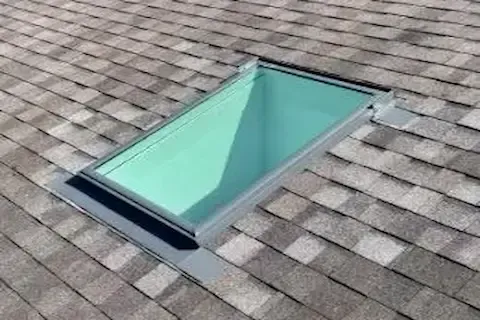
Skylight repair for Brooklyn Park homes — flashing diagnosis, curb repair, and full skylight replacement when the frame or glazing has failed.
Frequently Asked Questions
Residential Roofing can be complex, and we’re here to provide answers to common questions. Here are some frequently asked questions from our clients.
Frequently Asked Questions about Roof Replacement Brooklyn Park MN
How do I know if my Brooklyn Park home needs a roof replacement?
If your roof is 20 or more years old, showing widespread granule loss in your gutters, or has multiple areas of lifting or missing shingles, it is likely past repair. Brooklyn Park homes built in the 1960s and 70s — especially in the north end — are well into replacement territory. We inspect the decking and ventilation too, because those issues are common in older homes and affect how long any new roof lasts.
What does a roof replacement cost in Brooklyn Park MN?
Cost in Brooklyn Park comes down to square footage, roof pitch, how many layers come off, and the shingle line you choose. Asphalt architectural shingles are the most common choice here given Minnesota's freeze-thaw cycles, and metal costs more upfront but carries a longer lifespan - a real consideration for 1980s south Brooklyn Park homes entering their first replacement window. We measure and inspect first, then give you a firm written quote rather than a ballpark that moves after tear-off.
Does homeowner's insurance cover roof replacement in Minnesota?
It depends on the cause. Hail and wind damage — both common in Brooklyn Park's northern suburban location — are typically covered under most Minnesota homeowner policies. Age-related wear and gradual deterioration are generally not covered. We walk through Hennepin County claim documentation with every customer who has a legitimate storm damage case so nothing gets left on the table.
How long does a roof replacement take in Brooklyn Park?
A standard single-family home in Brooklyn Park takes one to two days for a full replacement. Larger homes, steep pitches, or situations where we find damaged decking underneath can extend the timeline. We schedule around Minnesota's weather windows and communicate any changes as soon as we know.
What roofing materials work best for Minnesota winters?
Architectural asphalt shingles rated for high wind and impact resistance are the standard for Brooklyn Park homes. We look for Class 4 impact ratings — important for hail events in northern Hennepin County — and proper ventilation pairing so the material performs as rated. Metal roofing is gaining ground for homeowners who want a 40-plus-year solution without the replacement cycle.
How do I choose a roofing contractor in Brooklyn Park MN?
Look for contractors with manufacturer certifications — GAF, Owens Corning, or IKO. Certifications matter because they tie the contractor's workmanship to the product warranty. Beyond credentials, ask how long they have been working specifically in Brooklyn Park and whether they pull permits for every job. Any contractor who skips the permit conversation is cutting corners you will discover at resale.
Need Residential Roofing?
What Our Satisfied Clients Have to Say About Brooklyn Park Roofing Co.
We pride ourselves on delivering great results and experiences for each client. Hear directly from home and business owners who’ve trusted us with their Residential Roofing needs.

They replaced our entire roof on a 1970s split-level in north Brooklyn Park. Found deck damage underneath and replaced it the same day — no delays, no runaround. Price matched the estimate exactly.
Diane Kowalski
Called after a hail event last spring. They were on-site within 24 hours, documented everything for our insurance claim, and handled the adjuster visit. Roof was done two weeks later. Exactly what you want when you are stressed about damage.
Marcus Tran
Had a skylight leak we thought was a window issue. Three companies told us to call a window company. These guys found the flashing failure on the first visit and fixed it. No more leak. Highly recommend.
Karen Sobieski
The Trusted Residential Roofing Expert Near You
Ready to hear more about expert services at Brooklyn Park Roofing Co.?
Contact us today to receive a detailed, no-obligation quote.

Brooklyn Park & the Twin Cities metro
Monday-Friday: 9am-5pm, Saturday: 11am-3pm
