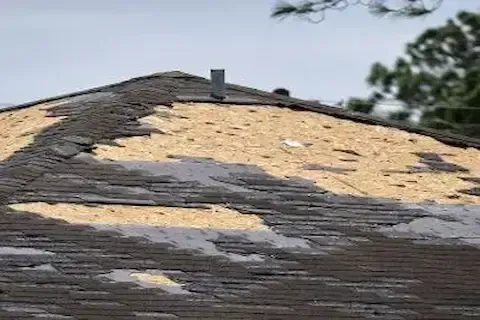
Wind Damage Roof Repair for Brooklyn Park MN Homeowners
Wind damage represents one of the most common roofing emergencies facing Brooklyn Park homeowners throughout Minnesota's severe weather seasons. High winds can lift shingles, tear flashing, damage ridge caps, and expose vulnerable underlayment to moisture infiltration. Understanding the specific types of wind damage and repair approaches helps you make informed decisions when storm damage strikes your property.
Common Types of Wind Damage
Brooklyn Park experiences significant wind events that create distinct patterns of roof damage. Straight-line winds typically lift shingles starting from the edges and corners where wind resistance is lowest. These areas include rake edges, eaves, and any existing loose or aging shingles that provide wind an entry point.
Uplift damage occurs when wind gets underneath shingles and creates enough pressure to break the seal strips or pull out fasteners. This type of damage often appears as scattered missing shingles across the roof surface rather than concentrated damage in one area. The exposed areas leave your decking and interior vulnerable to water damage during subsequent rain events.
Flashing damage represents another critical concern during windstorms. High winds can loosen or completely remove step flashing around chimneys, vent penetrations, and valley areas. When flashing fails, water penetration becomes inevitable, leading to interior damage that extends far beyond simple shingle replacement costs.
Ridge cap damage frequently accompanies severe wind events in Minnesota. Ridge caps face the full force of wind from multiple directions, making them particularly vulnerable to loosening or complete removal. Missing ridge caps create immediate water infiltration risks along the peak of your roof structure.
Assessment and Documentation Process
Professional assessment begins with a comprehensive exterior inspection focusing on wind damage indicators. Experienced contractors examine lift patterns, missing materials, and compromise to the roof system's weather barrier. This assessment determines whether repairs can address the damage or if sections require complete replacement.
Proper documentation proves essential for insurance claims and repair planning. Contractors photograph damage from multiple angles, noting specific locations and the extent of material failure. documenting hail losses for adjusters follows similar principles when multiple damage types occur simultaneously during severe weather events.
Interior inspection reveals whether wind damage has allowed water penetration into your home's structure. Water stains, insulation damage, or visible moisture in attic spaces indicate the urgency level for repairs and potential additional restoration needs.
Repair Approaches and Materials
Shingle replacement for wind damage requires careful attention to installation techniques that resist future wind uplift. Contractors install new shingles with additional fasteners beyond standard requirements, focusing on proper nail placement and adequate sealant application. High-wind resistant shingles may be recommended for areas with recurring wind exposure.
Flashing repairs often require complete removal and reinstallation rather than temporary patching solutions. Proper flashing repair includes new underlayment installation, step flashing replacement, and appropriate sealant application to create lasting weather protection. Temporary repairs may prevent immediate water intrusion but rarely provide long-term solutions.
Ridge cap restoration involves removing damaged caps, inspecting underlying ridge vent systems, and installing new caps with enhanced fastening systems. Ridge caps require specific installation techniques to maintain proper ventilation while providing wind resistance appropriate for Minnesota weather conditions.
Emergency temporary repairs become necessary when immediate weather protection is required before permanent solutions can be implemented. These repairs include tarping exposed areas, temporary flashing installation, and securing loose materials to prevent additional damage during subsequent weather events.
Cost Factors and Pricing Considerations
Wind damage repair costs vary significantly based on the extent of damage, materials required, and accessibility factors specific to your Brooklyn Park property. Simple shingle replacement typically costs less than comprehensive repairs involving structural components or multiple roof systems.
Material costs reflect both the type of products selected and current market conditions. Standard three-tab shingles cost less than architectural or high-wind resistant options, but upgrading materials may reduce future wind damage susceptibility. Flashing materials, underlayment quality, and fastener specifications all impact total repair costs.
Labor costs include not only installation time but also safety equipment, waste disposal, and permit requirements when applicable. Complex repairs requiring specialized techniques or equipment rental increase overall project costs beyond basic material and standard labor rates.
Working with Insurance Claims
Insurance coverage for wind damage depends on your policy terms, deductible amounts, and the insurance company's assessment of damage causation. Wind damage claims require thorough documentation and may involve adjuster inspections before repair authorization.
Contractor coordination with insurance adjusters helps ensure appropriate repairs receive coverage approval. Experienced roofing contractors understand insurance requirements and can provide detailed estimates that align with adjuster expectations for covered repairs.
Storm Damage Roof Repair services include insurance claim support to help property owners navigate the claims process while ensuring necessary repairs receive appropriate coverage consideration.
Prevention and Future Protection
Regular roof maintenance reduces wind damage susceptibility by addressing loose shingles, failed sealants, and deteriorating flashing before storms arrive. Annual inspections identify vulnerable areas that benefit from preventive repairs rather than emergency restoration after damage occurs.
Upgrading to wind-resistant materials during routine replacement or major repairs provides long-term protection against future wind events. High-wind shingles, improved fastening systems, and enhanced flashing techniques all contribute to better wind resistance performance.
Tree maintenance around Brooklyn Park properties eliminates potential projectiles that cause impact damage during windstorms. Removing dead branches, trimming overhanging limbs, and addressing unstable trees protects your roof investment from preventable damage sources.
Professional Selection and Timing
Selecting qualified contractors for wind damage repairs requires verification of licensing, insurance coverage, and local experience with Minnesota weather challenges. Established contractors understand local building codes and installation techniques appropriate for regional climate conditions.
Repair timing affects both cost and availability considerations. Immediate post-storm periods create high demand for roofing services, potentially extending project timelines and affecting pricing. However, delaying repairs risks additional damage from subsequent weather events.
Quality repairs require appropriate weather conditions for installation. Contractors schedule work based on temperature requirements for sealant activation, precipitation forecasts, and wind conditions that allow safe installation practices.
