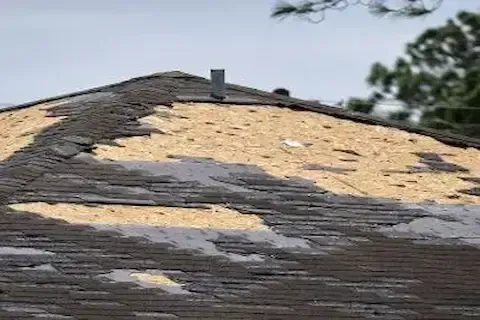
Hail Roof Damage Documentation in Brooklyn Park MN
Hail damage documentation creates the foundation for successful insurance claims and repair decisions. Professional documentation captures specific damage patterns, measures impact sizes, and records material conditions before weather exposure worsens existing problems. Proper documentation protects both property owners and contractors by establishing clear damage baselines that adjusters can verify quickly.
Essential Documentation Components
Complete hail damage documentation requires systematic coverage of all roof surfaces and materials. Start with wide-angle photos showing overall roof conditions, then capture close-up images of individual damage points. Each damaged area needs multiple angles to show impact depth, surrounding material condition, and relationship to other damaged sections.
Measurements prove crucial for insurance evaluation. Document hail stone sizes using coins, rulers, or measurement cards placed directly beside impact marks. Record the number of impacts per square foot in representative areas across different roof sections. Note varying damage intensity between south-facing slopes that receive direct storm impact versus protected northern exposures.
Written notes complement visual evidence by recording conditions that photos cannot capture. Document wind direction during the storm, precipitation duration, and any protective elements like nearby trees or structures. Note material age, previous repair history, and existing wear patterns that might influence damage assessment.
Brooklyn Park Weather Pattern Considerations
Brooklyn Park's location in the Minneapolis-Saint Paul metropolitan area exposes properties to frequent severe weather systems moving through Minnesota's storm corridor. Spring and early summer hailstorms often develop rapidly from supercell thunderstorms tracking northeast across the region. These storms can produce golf ball-sized hail that causes significant roof damage within minutes.
Local weather patterns create specific documentation challenges. Storms frequently occur during evening hours when natural lighting limits photo quality. Multiple storm systems within short timeframes can complicate damage attribution, requiring careful documentation of each event's specific impacts.
Minnesota's freeze-thaw cycles following hail events accelerate damage progression. Document initial impacts immediately, as water penetration through compromised shingles can expand during winter freezing, creating secondary damage that clouds original storm impact assessment.
Professional Documentation Standards
Insurance adjusters expect documentation that meets industry standards for completeness and clarity. Photos must show sufficient detail for remote damage assessment, including clear views of granule loss patterns, exposed mat areas, and impact crater depth. Use consistent lighting and angles to enable accurate damage comparison across different roof sections.
Organize documentation systematically by roof section, material type, and damage severity. Create a logical progression that adjusters can follow easily, starting with approach shots that establish property context, moving to section overviews, then focusing on specific damage details. Include reference markers like roof features, chimneys, or distinctive architectural elements to help adjusters locate documented damage during site visits.
Professional contractors often use standardized damage assessment forms that capture specific data points adjusters need. These forms ensure consistent documentation across different properties and provide clear damage quantification that supports claim processing. Storm Damage Roof Repair specialists understand these requirements and document accordingly.
Common Documentation Mistakes
Inadequate lighting creates documentation problems that can delay claim processing or lead to coverage disputes. Avoid taking photos during overcast conditions or late evening hours when shadows obscure damage details. Use supplemental lighting when necessary to highlight impact craters and material damage clearly.
Missing scale references make damage assessment difficult for adjusters reviewing documentation remotely. Always include size references like coins, measuring tools, or standard objects that provide clear scale indication. Avoid using fingers or hands as scale references, as these vary significantly between individuals and lack standardized measurement.
Incomplete coverage documentation leads to claim complications when undocumented damage appears later. Photograph all roof surfaces, including less accessible areas like dormers, valleys, and steep slopes. Document gutters, downspouts, and other roof-mounted equipment that may show hail impact evidence.
Technology Integration
Modern documentation leverages technology to improve accuracy and efficiency. Drone photography provides comprehensive roof coverage without safety risks associated with ladder access. High-resolution drone images capture damage patterns across entire roof systems while providing detailed close-up capability for specific impact documentation.
Digital measurement tools integrated with smartphone cameras enable precise impact size recording and automatic scale reference. These tools eliminate measurement errors and provide consistent sizing data that adjusters can verify easily. Some applications automatically generate measurement reports that integrate with insurance claim systems.
Cloud-based storage ensures documentation accessibility from multiple locations and devices. Adjusters can access complete documentation packages remotely, accelerating claim processing timelines. Automatic backup prevents documentation loss that could complicate claim resolution.
Insurance Adjuster Expectations
Insurance adjusters evaluate documentation quality based on completeness, clarity, and organization. They need sufficient visual evidence to confirm hail damage without requiring extensive site visits. Well-organized documentation packages that follow logical progression from overview to detail enable faster claim processing and approval.
Adjusters look for specific damage indicators that confirm hail impact rather than other causes. Fresh impact marks with sharp edges indicate recent hail damage, while worn or weathered damage suggests pre-existing conditions. Document these differences clearly to avoid claim complications.
Time-stamped documentation provides crucial timeline evidence for storm attribution. Ensure all photos include accurate date and time information that correlates with documented storm events. post hail spring repair walkthrough processes benefit from immediate post-storm documentation that establishes clear damage timelines.
Long-term Documentation Value
Proper documentation provides value beyond immediate insurance claims. Detailed damage records support future warranty claims, property transfer documentation, and additional storm damage assessment. Maintain organized documentation files that property owners can access when needed.
Documentation also supports preventive maintenance planning by identifying vulnerable roof areas and material performance patterns. This information helps property owners make informed decisions about repair priorities and material upgrade timing.
Professional documentation creates accountability for repair quality and completion. Before and after photos ensure repairs address all documented damage and meet appropriate standards. This documentation protects both property owners and contractors by establishing clear repair scope and completion verification.
