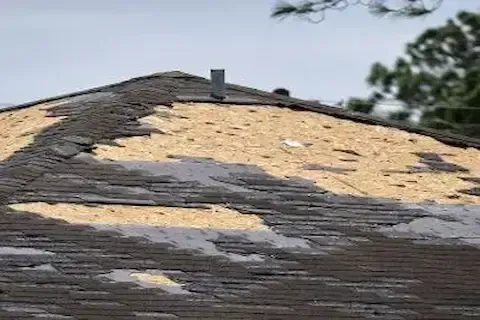
Spring Hail Damage Roof Repair in Brooklyn Park MN
Spring storms across Brooklyn Park bring unpredictable hail that can devastate residential roofing systems within minutes. Understanding how to identify damage, document losses, and coordinate repairs becomes essential when Minnesota's severe weather season arrives with little warning.
Identifying Hail Impact Patterns
Hail damage creates distinct patterns that trained inspectors recognize immediately. Round impact marks on asphalt shingles indicate direct strikes, while exposed granules show where protective coating has been stripped away. Metal components like gutters, downspouts, and flashing develop dents that reveal storm intensity and direction.
Brooklyn Park homes face varying exposure levels depending on their orientation and surrounding structures. North-facing slopes often sustain different damage patterns than south-facing sections due to wind direction during typical spring storms. Trees and neighboring buildings can create wind tunnels that concentrate hail impact in specific areas.
Professional inspectors examine granule accumulation in gutters and downspouts as evidence of widespread shingle deterioration. Fresh granules mixed with debris indicate recent impact, while older accumulations suggest previous undocumented damage. This distinction becomes crucial when filing insurance claims for current storm events.
Documentation Requirements for Insurance Claims
Insurance adjusters require comprehensive documentation that proves storm timing and damage extent. Photographs taken from multiple angles show impact patterns, granule loss, and structural compromise. Each damaged section needs clear images with reference points for scale and location identification.
Weather reports from the National Weather Service provide official confirmation of hail events in Brooklyn Park. These reports include storm timing, hail size estimates, and wind speeds that support damage claims. Local weather stations often record more detailed information than regional forecasts, making them valuable documentation sources.
Contractors experienced with Storm Damage Roof Repair understand insurance requirements and can assist with proper documentation procedures. They know which damage indicators adjusters prioritize and how to present evidence effectively during claim reviews.
Interior inspection reveals secondary damage from compromised roofing systems. Water stains, insulation damage, and structural moisture indicate penetration that may not be visible from exterior examination alone. This interior damage often justifies more extensive repair coverage than surface-level impact alone.
Repair Priority Assessment
Emergency repairs address immediate water infiltration risks before comprehensive restoration begins. Temporary coverings protect interior spaces while materials are ordered and installation schedules are coordinated. Brooklyn Park's spring weather patterns make temporary protection essential during the repair process.
Structural damage assessment determines whether repairs can proceed incrementally or require complete section replacement. Compromised decking, damaged trusses, or extensive underlayment failure may necessitate broader reconstruction than initially apparent from surface inspection.
Material matching becomes challenging when existing roofing systems have discontinued colors or styles. Contractors maintain relationships with suppliers who can source compatible materials or recommend suitable alternatives that maintain aesthetic continuity across the entire roof system.
Local Weather Considerations
Brooklyn Park's location in the Twin Cities metropolitan area creates unique weather patterns that influence repair timing and material selection. Spring temperature fluctuations affect installation conditions and material performance during the critical repair period.
Municipal permitting requirements in Brooklyn Park vary depending on repair extent and structural modifications. Simple shingle replacement may proceed without permits, while extensive repairs involving structural elements require official approval and inspection schedules.
Local contractors familiar with Brooklyn Park's building codes and weather patterns can navigate permitting processes efficiently while ensuring repairs meet current standards. They understand seasonal material availability and can adjust project timelines to accommodate supply chain variations.
Material Selection for Spring Repairs
Spring installation conditions require materials that perform well during temperature transitions and moisture exposure. Asphalt shingles designed for Minnesota's climate provide better long-term performance than standard products not rated for extreme temperature ranges.
Impact-resistant materials offer enhanced protection against future hail events. These specialized products carry ratings that indicate their ability to withstand specific hail sizes without damage. Insurance companies often provide discounts for impact-resistant installations, making them cost-effective long-term investments.
Underlayment upgrades during hail damage repairs improve overall system performance beyond original specifications. Synthetic underlayments provide superior moisture protection and durability compared to traditional felt products, especially during extended repair periods when temporary coverings may be necessary.
Professional Installation Considerations
Spring weather creates installation challenges that require experienced crews familiar with changing conditions. Morning frost, afternoon temperature spikes, and sudden precipitation can affect material handling and installation quality if not properly managed.
Quality contractors schedule work blocks that accommodate weather variations while maintaining installation standards. They understand which materials can be installed during marginal conditions and when conditions require project suspension for safety and quality reasons.
For comprehensive information about storm damage assessment and repair processes, review the storm damage repair overview that covers detailed evaluation procedures and timeline expectations.
Warranty coverage for hail damage repairs varies significantly between contractors and material manufacturers. Professional installers provide comprehensive warranty information that covers both materials and workmanship, ensuring long-term protection against installation defects and premature failure.
Cost Management and Scheduling
Spring hail damage creates high demand for qualified contractors, affecting both pricing and availability. Property owners who document damage quickly and contact reputable contractors early in the season often secure better scheduling and pricing arrangements.
Insurance claim settlements may not cover all desired upgrades or improvements beyond basic damage restoration. Understanding coverage limitations helps property owners make informed decisions about out-of-pocket expenses for enhanced materials or additional improvements.
Emergency temporary repairs may qualify for immediate insurance reimbursement while comprehensive repairs await claim settlement. This approach prevents additional damage while permanent solutions are planned and implemented according to insurance company timelines.
