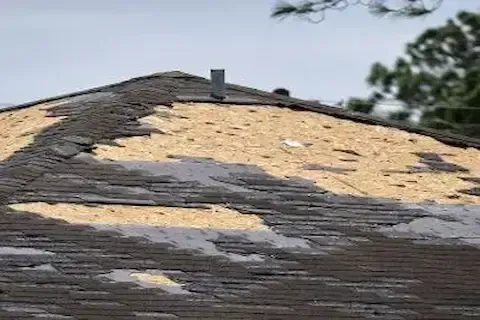
Summer Storm Roof Damage in Brooklyn Park MN Homes
Summer storms in Brooklyn Park bring intense weather patterns that can devastate residential roofing systems within minutes. The combination of high winds, heavy rainfall, and hail creates a perfect storm for structural damage that often goes unnoticed until water begins penetrating your home's interior spaces.
Identifying Storm Damage After Summer Weather Events
Recognizing roof damage immediately after a storm requires understanding what to look for from ground level and when to call professionals. Missing or damaged shingles are the most obvious signs, appearing as bare patches or scattered debris in your yard. Granule loss shows up as dark streaks or exposed asphalt where protective coating has been stripped away by hail impact.
Gutters provide crucial clues about roof condition following severe weather. Excessive granules washing down spouts indicate significant surface damage across large roof areas. Dented or detached gutters suggest impact forces strong enough to compromise the entire roofing system's integrity.
Interior inspection reveals water infiltration through ceiling stains, wall discoloration, or dripping sounds during rainfall. These symptoms often appear days or weeks after the initial damage occurred, making immediate post-storm assessment critical for preventing extensive interior repairs.
Common Types of Summer Storm Roof Damage
Hail damage creates distinct patterns depending on stone size and storm intensity. Small hail strips granules without penetrating shingle layers, while larger stones puncture through multiple roof components. Impact marks appear as circular impressions with exposed mat or fractured edges around penetration points.
Wind damage manifests differently across various roofing materials and installation methods. Asphalt shingles lift along edges where adhesive strips fail under sustained pressure. Metal roofing develops creases or loose fasteners that allow water penetration at connection points.
Falling debris from damaged trees creates puncture wounds that compromise weatherproofing barriers. Branch impacts often damage multiple roof layers simultaneously, requiring comprehensive repair approaches beyond simple shingle replacement. Storm Damage Roof Repair services become essential when debris creates structural compromise.
Lightning strikes, while less common, cause devastating localized damage including charred materials, split wood components, and electrical system complications that require specialized repair expertise.
Brooklyn Park Weather Patterns and Roof Vulnerability
Minnesota's continental climate produces severe summer thunderstorms with rapid intensity changes that catch homeowners unprepared. The region's flat terrain allows storm systems to build momentum before reaching residential areas, creating conditions for damaging microbursts and straight-line winds exceeding 60 mph.
Local soil conditions affect how homes withstand storm forces, with clay-heavy areas around Brooklyn Park experiencing foundation movement that stresses roof connections during severe weather events. This geological factor makes proper roof attachment methods critical for storm resistance.
Seasonal temperature fluctuations preceding storm events create expansion and contraction cycles that weaken roofing materials before impact damage occurs. Summer heat followed by rapid cooling during thunderstorms puts additional stress on already compromised roof components.
Immediate Steps After Storm Damage Occurs
Safety considerations must guide all post-storm inspection activities, with electrical hazards and structural instability posing serious risks to untrained individuals. Never walk on damaged roofing surfaces or use ladders during wet conditions when slip hazards increase dramatically.
Documenting damage through photographs provides essential evidence for insurance claims and repair planning. Take pictures from multiple angles showing overall roof condition, close-up damage details, and interior water infiltration evidence. Include date stamps and reference objects for scale assessment.
Emergency tarping prevents additional water damage while permanent repairs are planned and scheduled. Professional contractors understand proper tarping techniques that protect your home without causing additional roof damage through improper installation methods.
Contact your insurance company immediately to begin the claims process, as many policies require prompt notification following damage events. wind damage repair explained for homeowners helps you understand coverage details and claim procedures.
Professional Inspection and Assessment Requirements
Licensed roofing contractors possess specialized knowledge for identifying hidden damage that appears minor from ground-level observation but indicates serious structural problems requiring immediate attention. Professional assessment includes evaluating underlayment condition, decking integrity, and flashing system performance.
Insurance adjusters work with contractors to determine repair scope and coverage amounts, making professional documentation crucial for claim approval. Detailed estimates breaking down material and labor costs provide transparency for all parties involved in the restoration process.
Thermal imaging technology helps professionals locate water infiltration paths that visual inspection might miss, preventing future problems from developing in areas where moisture has penetrated roof assemblies without obvious exterior damage signs.
Preventive Measures and Storm Preparation
Regular roof maintenance schedules identify vulnerable areas before storm season arrives, allowing homeowners to address minor issues that could become major problems under severe weather stress. Annual inspections should focus on flashings, sealants, and fastener condition.
Tree trimming around roof perimeters reduces debris impact potential during high winds while improving overall property aesthetics and safety. Professional arborists understand proper pruning techniques that maintain tree health while minimizing storm damage risks.
Upgrading roofing materials during replacement projects provides enhanced storm resistance through impact-rated shingles, reinforced underlayment systems, and improved fastening methods designed for high-wind applications common in Minnesota weather patterns.
