Summer Roof Repair Brooklyn Park MN Homes Often Need
Summer weather in Brooklyn Park, Minnesota brings unique challenges that can leave your roof needing repair by season's end. The combination of intense heat, sudden storms, and humidity creates conditions that test even well-maintained roofing systems. Understanding what summer typically does to local roofs helps you spot problems early and address them before they become costly disasters.
Heat-Related Shingle Damage
Minnesota summers can push temperatures well into the 90s, and your roof surface gets even hotter. Asphalt shingles expand and contract repeatedly during these heat cycles, causing them to curl, crack, or lose granules. You might notice shingle edges lifting or corners that no longer lay flat against the roof deck.
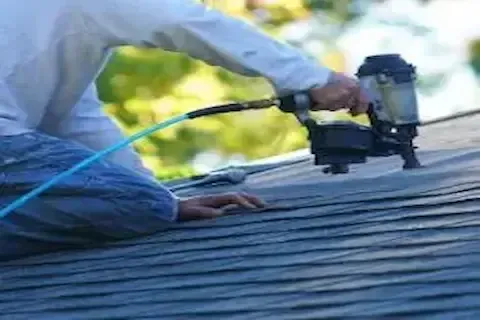
The thermal expansion also stresses the sealant strips that hold shingles in place. When these adhesive bonds weaken, wind can catch loose edges during storms. Professional Roof Repair services often replace heat-damaged shingles and reseal vulnerable areas to restore protection.
Dark-colored roofing materials absorb more heat than lighter ones, making them especially susceptible to thermal damage. If your Brooklyn Park home has a black or dark brown roof, watch for signs of heat stress like granule loss in gutters or visible shingle distortion.
Storm Wind and Hail Impact
Summer thunderstorms roll through the Twin Cities metro area with surprising force. These storms often bring straight-line winds exceeding 60 mph, which can lift shingles, damage flashing, or knock loose debris onto your roof. Even brief windstorms create repair needs that become apparent days or weeks later.
Hail presents another summer threat to Brooklyn Park roofs. Minnesota ranks among the top states for hail damage, with most significant hailstorms occurring between May and August. Hail impacts create bruises in asphalt shingles that may not leak immediately but compromise the material's integrity over time.
After any severe weather event, you should inspect your roof for missing shingles, dented gutters, or exposed nail heads. Storm damage often requires professional assessment because problems aren't always visible from ground level. Insurance claims for storm damage work best when documented promptly after the weather event.
Humidity and Moisture Problems
Summer humidity in Minnesota creates conditions where small roof leaks become bigger problems quickly. Moisture that enters through compromised shingles, flashing, or ventilation systems can promote mold growth or wood rot in roof decking and structural components.
Poor attic ventilation compounds humidity issues by trapping hot, moist air against the roof deck. This creates condensation that can damage insulation and wooden structures. Proper ventilation systems help manage moisture while reducing the thermal stress on roofing materials.
You might notice musty odors, water stains on ceilings, or increased energy bills if humidity and moisture are affecting your roof system. These issues require comprehensive common roof repair issues we see throughout the summer months in local homes.
UV Radiation Deterioration
Ultraviolet radiation from intense summer sun gradually breaks down roofing materials. This process, called photodegradation, affects organic compounds in asphalt shingles and causes them to become brittle over time. The granules that protect shingles from UV damage can wear away, exposing the underlying asphalt to direct solar radiation.
Metal roofing components like flashing, gutters, and downspouts also suffer from UV exposure. Paint and protective coatings fade or chalk, reducing their effectiveness against moisture penetration. Regular maintenance helps extend the life of these components, but eventually replacement becomes necessary.
South-facing roof sections typically show UV damage first because they receive the most direct sunlight throughout the day. You can spot UV deterioration by looking for faded or chalky surfaces, brittle shingles that break easily, or extensive granule loss. Homeowners who have replaced asphalt twice often move to metal roof installation, which does not photodegrade the same way.
Thermal Shock from Temperature Swings
Minnesota's variable summer weather creates thermal shock conditions where materials expand and contract rapidly. A hot afternoon might reach 95 degrees, then drop to 65 degrees after an evening thunderstorm passes through Brooklyn Park. These temperature swings stress roofing materials beyond normal wear patterns.
Thermal shock particularly affects the sealants and caulking around roof penetrations like vents, chimneys, and skylights. These materials lose flexibility over time and may crack when subjected to repeated expansion and contraction cycles. Failed sealants create entry points for water that can cause significant interior damage.
Metal components expand and contract at different rates than surrounding materials, creating stress points where different materials meet. Proper installation techniques account for thermal movement, but older roofs may need updates to handle current weather patterns effectively.
Brooklyn Park Climate Considerations
Brooklyn Park's location northwest of Minneapolis exposes homes to weather patterns that move across the prairie before reaching the metro area. This geographic position means storms often arrive with full intensity, having built strength over open farmland to the west and northwest.
The city's mature tree cover provides some protection from wind but creates different challenges when storms bring down branches or entire trees onto roofs. Summer storms combined with heavy tree coverage mean debris damage ranks among the most common repair needs local contractors address.
Local soil conditions and drainage patterns also affect how quickly water moves away from foundations and roof edges during heavy summer rains. Poor drainage can cause water to back up under shingles or overwhelm gutter systems, creating conditions that require professional intervention.
Professional Assessment Benefits
Summer roof problems often develop gradually, making them difficult to detect until significant damage occurs. Professional inspections help identify vulnerable areas before they fail completely. Experienced contractors know what weather-related damage looks like and can distinguish between normal wear and conditions requiring immediate attention.
Many summer roof repairs qualify for insurance coverage, especially when storm damage is involved. Professional documentation of damage helps support insurance claims and ensures repairs meet local building codes and manufacturer specifications. This documentation becomes particularly important when dealing with hail damage or wind-related problems.
Regular professional maintenance can prevent many summer-related roof problems from developing into major repairs. Preventive care costs significantly less than emergency repairs and helps ensure your roof protection remains intact throughout Minnesota's challenging weather seasons.
