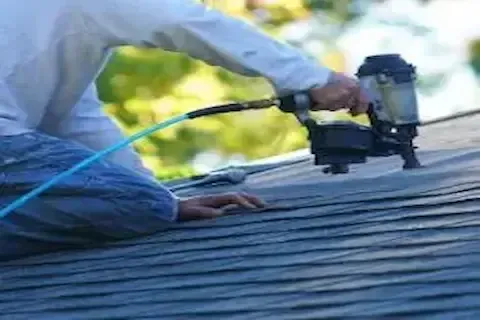
Common Brooklyn Park MN Roof Repair Issues Explained
Shingle Damage and Deterioration
Brooklyn Park homeowners face significant shingle challenges due to Minnesota's harsh climate cycles. Temperature fluctuations from subzero winters to hot summers cause asphalt shingles to expand and contract repeatedly, leading to cracking, curling, and granule loss. Wind damage occurs frequently during severe thunderstorms that sweep across the Twin Cities metro area, lifting shingle edges and creating entry points for moisture.
Missing or damaged shingles expose the underlying roof deck to water infiltration. When shingles curl upward at the edges, they become vulnerable to wind uplift during storms. Granule loss, visible as bare spots on shingles, reduces their ability to reflect UV rays and protect the asphalt layer underneath. Professional Professional Roof Repair services can assess whether individual shingles need replacement or if broader roof sections require attention.
Hail damage presents another common issue in this region. Even small hailstones can knock granules loose from shingles, while larger stones create visible dents or cracks. Insurance adjusters often inspect Brooklyn Park properties after severe hail events, documenting damage patterns that may not be immediately obvious to homeowners.
Flashing Problems and Water Intrusion
Flashing failures rank among the most frequent repair needs in Brooklyn Park homes. These metal strips seal joints where roof planes meet walls, chimneys, dormers, and other penetrations. Over time, thermal expansion and contraction cause flashing to separate from adjacent surfaces, creating gaps where water can enter.
Step flashing along dormer walls commonly fails when individual pieces shift or corrode. Valley flashing, which channels water between intersecting roof planes, may develop leaks if debris accumulates and causes water to back up. Chimney flashing requires particular attention because it involves multiple components including base flashing, step flashing, and counter flashing that must work together to maintain a waterproof seal.
Vent boot flashing around plumbing penetrations deteriorates as rubber seals age and crack. These failures often go unnoticed until water stains appear on interior ceilings. Professional inspection can identify compromised flashing before minor leaks develop into major water damage requiring extensive repairs.
Gutter and Drainage Issues
Inadequate drainage creates cascading problems for Brooklyn Park roofs. Clogged gutters overflow during heavy rains, allowing water to pool along roof edges and potentially penetrate under shingles. Ice dams form when snow melts and refreezes at roof edges, creating barriers that force water backup under shingles.
Improper gutter installation or maintenance leads to standing water that can rot fascia boards and soffit materials. Downspouts that discharge too close to foundations may cause basement flooding while also creating moisture problems that affect roof structure integrity. Regular gutter cleaning becomes essential during fall months when deciduous trees shed leaves across neighborhood properties.
Gutter separation from fascia boards occurs when fasteners loosen or pull out entirely. This creates gaps where water can penetrate behind gutters, potentially damaging roof decking and exterior wall systems. Seasonal freeze-thaw cycles in Minnesota accelerate these fastener failures, making annual inspection and maintenance critical.
Ventilation and Moisture Control
Poor attic ventilation contributes to multiple roof problems in Brooklyn Park homes. Inadequate air circulation allows moisture to accumulate in attic spaces, leading to condensation that can damage roof decking and insulation. Warm air trapped in attics during winter months melts snow on roof surfaces, contributing to ice dam formation.
Blocked soffit vents prevent cool air intake that balances warm air exhaust through ridge or gable vents. Bathroom and kitchen exhaust fans that discharge into attic spaces rather than outdoors add moisture loads that ventilation systems cannot handle effectively. This moisture promotes mold growth and wood rot that weakens structural components.
Insufficient insulation allows heated interior air to reach roof surfaces, creating temperature differentials that contribute to ice dam formation. Properly balanced ventilation systems include both intake vents at soffits and exhaust vents at or near roof peaks, creating natural airflow that moderates attic temperatures year-round.
Storm Damage and Emergency Repairs
Severe weather events regularly impact Brooklyn Park properties, creating urgent repair needs. Straight-line winds can lift large roof sections, while falling tree branches puncture shingles and damage underlying structure. Tornado activity in the broader Twin Cities region occasionally affects local neighborhoods, causing widespread roof damage that requires immediate professional attention.
Emergency roof repairs focus on preventing further water intrusion while permanent repairs are planned. Temporary measures include tarping damaged areas and securing loose materials that could become airborne during subsequent storms. Professional contractors maintain emergency response capabilities to address storm damage quickly and prevent secondary damage from water infiltration.
Insurance considerations play a significant role in storm damage repairs. Understanding the insurance claim repair walkthrough helps homeowners navigate claim processes effectively and ensure proper documentation of storm-related damage.
Structural Issues and Deck Problems
Roof deck deterioration often goes undetected until visible sagging or interior water damage appears. Plywood or OSB decking can delaminate when exposed to moisture over extended periods. This creates soft spots that may not support normal foot traffic during repairs or maintenance activities.
Rafter damage from long-term moisture exposure weakens structural support systems. Inadequate span ratings for original construction may become apparent as buildings age and building codes evolve. Some older Brooklyn Park homes require structural upgrades when roof replacement projects uncover inadequate framing members or spacing.
Pest infiltration through damaged roof areas can compromise structural integrity. Squirrels, raccoons, and birds may enlarge small openings, creating entry points that allow moisture and additional pest access. Professional inspection identifies these compromised areas and recommends appropriate repairs to restore structural integrity. Soft or delaminated sheathing is handled as roof decking replacement, quoted by the sheet and approved before the work starts.
Preventive Maintenance Strategies
Regular roof inspections help Brooklyn Park homeowners identify problems before they require major repairs. Professional inspections twice yearly, typically in spring and fall, can spot developing issues like loose flashing, damaged shingles, or compromised sealants. These proactive measures often prevent minor problems from escalating into costly major repairs.
Prompt attention to minor repairs maintains roof system integrity. Replacing a few damaged shingles costs significantly less than repairing water damage that occurs when leaks go unaddressed. Professional contractors can assess whether individual repairs are sufficient or if broader roof system improvements are needed.
Documentation of repair history helps track roof condition over time and supports insurance claims when storm damage occurs. Maintaining records of professional inspections, repairs, and maintenance activities provides valuable information for future decision-making about roof replacement timing and scope.
