Insurance Claim Roof Repair Process Brooklyn Park MN
Filing an insurance claim for roof damage requires understanding each phase of the process to ensure you receive appropriate compensation for repairs. The insurance claim roof repair process involves multiple steps that must be handled properly to avoid delays or claim denials. Brooklyn Park homeowners face unique challenges when dealing with roof insurance claims due to the area's severe weather patterns and specific insurance requirements in Minnesota.
Initial Damage Assessment and Documentation
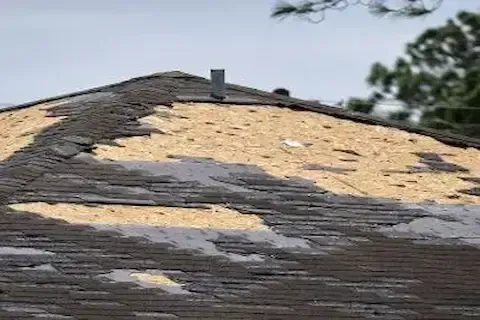
The first step in any roof insurance claim begins with thoroughly documenting the damage immediately after discovering it. Take comprehensive photographs of all damaged areas from multiple angles, including close-up shots of missing shingles, exposed underlayment, and any interior water damage. Document the date and time of the storm or incident that caused the damage, as insurance companies require this information to verify coverage.
Contact your insurance company within 24 to 48 hours of discovering the damage to report the claim. Most insurers have 24-hour claim reporting hotlines that allow you to begin the process immediately. Provide them with your policy number, the date of the damage, and a brief description of what occurred. The insurance company will assign you a claim number and schedule an adjuster inspection.
While waiting for the adjuster, take steps to prevent further damage by covering exposed areas with tarps or plastic sheeting. Keep receipts for any emergency materials you purchase, as these costs are often reimbursable under your policy. Avoid making permanent repairs until the adjuster has completed their inspection, as this could complicate your claim.
Professional Inspection and Adjuster Meeting
Schedule a professional roof inspection with a qualified local contractor before the insurance adjuster arrives. Having an independent assessment provides valuable documentation and ensures nothing is overlooked during the claims process. The contractor can identify damage that might not be immediately visible to an untrained eye, such as compromised flashing, damaged gutters, or structural issues.
When the insurance adjuster conducts their inspection, be present to point out all damaged areas and provide your documentation. The adjuster will measure the damaged area, assess the extent of the damage, and determine whether repairs or replacement are necessary. They will also verify that the damage is covered under your policy terms and was caused by a covered peril.
Request that the adjuster explain their findings and methodology during the inspection. Ask questions about any damage they identify or dismiss, and ensure they document everything thoroughly. Take notes during the inspection and ask for a copy of their report once it's completed. This information will be crucial if you need to dispute their findings later.
Understanding Coverage Limitations
Review your insurance policy carefully to understand what types of damage are covered and any limitations that may apply. Most homeowners policies cover sudden and accidental damage from storms, hail, and wind, but exclude damage from neglect or normal wear and tear. Understand your deductible amount and whether it applies per claim or per year.
Some policies have specific provisions for roof damage, including depreciation schedules based on the roof's age. If your roof is older, the insurance company may only pay the actual cash value rather than the full replacement cost. Familiarize yourself with these terms before filing your claim to set appropriate expectations.
Claim Processing and Documentation Review
After the adjuster completes their inspection, they submit their report to the insurance company for review. This process typically takes several days to two weeks, depending on the complexity of the damage and the insurer's workload. During this time, the insurance company reviews the adjuster's findings, verifies coverage, and calculates the settlement amount.
The insurance company will send you a settlement letter outlining their decision, including the approved repair costs and any deductions for depreciation or your deductible. Review this settlement carefully and compare it to the estimates you've received from roofing contractors. If the settlement amount seems insufficient to cover the necessary repairs, you have the right to dispute the decision.
Gather multiple estimates from licensed roofing contractors to support your claim if you believe the settlement is too low. Ensure these estimates include detailed breakdowns of materials and labor costs, as this information helps substantiate your position during negotiations with the insurance company.
Common Challenges and How to Address Them
One common challenge in roof insurance claims is disagreement over the scope of damage or necessary repairs. Insurance adjusters may minimize damage to reduce claim costs, while contractors might identify additional issues that need attention. To address this, obtain multiple professional opinions and provide detailed documentation supporting your position.
Another frequent issue is delays in claim processing, especially during peak storm seasons when many claims are filed simultaneously. Stay in regular contact with your insurance company and document all communications. If delays become excessive, escalate your concerns to a supervisor or consider consulting with a public adjuster.
Depreciation calculations often surprise homeowners, particularly when dealing with older roofs. If your policy includes recoverable depreciation, you can receive the withheld amount after completing the repairs. Understanding this provision helps you plan your financing and ensures you collect all available benefits.
Working with Roofing Contractors During Claims
Select a roofing contractor experienced in insurance claims to help navigate the process effectively. Experienced contractors understand insurance requirements and can provide detailed estimates that meet adjuster expectations. They can also identify damage that might be missed during initial inspections and advocate for appropriate repairs.
Ensure your contractor is properly licensed and insured before beginning any work. Verify their credentials with the Minnesota Department of Labor and Industry and check their Better Business Bureau rating. Storm Damage Roof Repair specialists understand the specific challenges Brooklyn Park residents face when dealing with insurance claims after severe weather events.
Avoid contractors who demand payment upfront or offer to waive your deductible, as these practices are often indicators of fraudulent operations. Legitimate contractors will work within the insurance settlement framework and provide clear contracts outlining all work to be performed.
Brooklyn Park Specific Considerations
Brooklyn Park's location in the Minneapolis-St. Paul metropolitan area subjects homes to severe weather patterns that frequently cause roof damage. The city experiences significant hail storms, high winds, and heavy snow loads that can compromise roofing systems. Understanding these local weather patterns helps when documenting claims and explaining damage causation to insurance adjusters.
Minnesota state law provides certain protections for homeowners during the insurance claims process, including requirements for timely claim processing and fair settlement practices. Familiarize yourself with these regulations to ensure your insurance company complies with state requirements. Many Brooklyn Park residents have faced similar challenges with summer storm damage on local homes, making local experience valuable when processing claims.
Finalizing Your Claim and Beginning Repairs
Once you accept the insurance settlement, coordinate with your chosen contractor to schedule the repair work. Ensure all permits required by Brooklyn Park are obtained before beginning construction. Your contractor should handle permit applications, but verify that proper approvals are in place to avoid code violations.
Monitor the repair progress and maintain communication with both your contractor and insurance company throughout the project. Document the completed work with photographs and keep all receipts for materials and labor. Submit any required completion documentation to your insurance company to finalize the claim and receive any remaining depreciation payments.
Review the completed work thoroughly before making final payments to ensure all repairs meet industry standards and local building codes. Address any concerns immediately to avoid future problems that might not be covered under warranty or insurance policies.
