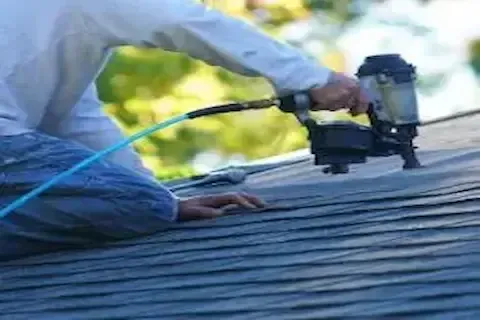
Roof Patch vs Replacement in Brooklyn Park MN Homes
One of the most common questions Brooklyn Park homeowners ask after a storm or after spotting a water stain on the ceiling is whether they need a full roof replacement or whether a targeted patch will do the job. The answer depends on more than how bad the damage looks from the street. Shingle age, deck condition, the extent of water infiltration, and the overall system integrity all factor into the decision. Getting it wrong in either direction costs money — patching a roof that should be replaced just delays the inevitable, while replacing a roof that could have been repaired adds unnecessary expense.
What Separates a Patch from a Replacement
A roof patch addresses a specific, isolated area of damage. A roofer removes damaged shingles, inspects the underlayment and decking beneath, repairs any compromised material, and installs new shingles over that section. The surrounding roof remains untouched. This approach works well when the damage is confined, the rest of the roof system is structurally sound, and the shingles still have serviceable life remaining.
A replacement involves stripping the entire roof down to the deck, inspecting and repairing the deck as needed, installing new underlayment, and laying a complete new shingle system. This is the right call when the roof has reached end-of-life, when damage is widespread, or when multiple problem areas exist across the roof surface.
The dividing line is not always obvious from a visual inspection. A few missing shingles might look like a simple patch job, but if the deck underneath has been absorbing moisture for months, the scope of work changes significantly. When the scope crosses into a full roof replacement in Brooklyn Park, the deck inspection happens before any new material goes down.
Age of the Roof Changes Everything
In Brooklyn Park, most homes carry asphalt shingles rated for 25 to 30 years. Minnesota's climate puts shingles through significant stress — freeze-thaw cycles, ice damming, heavy snow loads, and summer hail all accelerate wear. A roof that is 18 to 20 years old and shows storm damage is a different calculation than a 7-year-old roof with the same damage.
When a roof is past the 20-year mark, a patch often creates a mismatch problem. New shingles won't match aged ones in color or texture, and more importantly, the surrounding shingles may fail within a few years regardless. Paying for a patch now and a replacement in three years costs more in total than moving directly to replacement.
For newer roofs, a patch is almost always the right call unless the installation was flawed from the start or the damage from a single event was severe enough to affect a large portion of the surface.
How Damage Scope Guides the Decision
Roofers generally use a threshold of around 25 to 30 percent of the total roof area as a rough guide. When damage affects less than that, patching is typically cost-effective. When damage covers more than that, the labor and material costs start to approach replacement costs while still leaving aged shingles in place on the rest of the roof.
Storm damage in Brooklyn Park often concentrates on the south and west faces of the roof, which take the most direct wind and hail exposure. It is possible to have one or two slopes heavily damaged while others remain intact. In those cases, a slope-specific repair can be appropriate even when the affected area is significant.
Hidden damage matters too. Water travels horizontally once it gets past the shingle layer. A visible leak in one bedroom may correspond to damage on a section of roof six feet from where the water enters the living space. A professional inspection identifies the true extent of the problem before committing to a repair scope.
Deck Condition Is the Critical Factor
The roof deck — typically plywood or OSB — is the structural foundation of the entire system. Shingles protect it, but once water gets through consistently, the deck begins to soften, rot, and lose its ability to hold fasteners. A patch job applied over a compromised deck will fail prematurely because the new shingles have nothing solid to anchor into.
When a roofer pulls back shingles and finds soft, spongy, or visibly rotted deck material, that changes the repair estimate and the recommendation. Small sections of deck damage can be replaced as part of a larger patch. Widespread deck deterioration tips the decision toward full replacement.
Brooklyn Park homes built in the 1980s and 1990s sometimes have original decking that has gone through two shingle cycles. By the time a third shingle system is needed, the deck itself warrants careful evaluation. For Roof Repair work on older homes in the area, experienced contractors will always inspect the deck before committing to a scope of work.
Insurance Claims and the Patch vs. Replacement Question
Most Brooklyn Park homeowners carry homeowners insurance that covers storm damage. How a claim gets structured can influence the repair-versus-replacement decision significantly. When hail or wind causes damage, an insurance adjuster inspects the roof and determines whether the damage warrants repair or replacement coverage.
A key point is that insurers pay for damage caused by the covered event, not for pre-existing wear. If your roof is old and storm damage is widespread, the adjuster may determine that the damage combined with existing deterioration makes the roof a total functional loss, triggering replacement coverage. If the roof is newer, they may cover only the affected sections.
Working with a local roofing contractor during the claims process helps ensure the inspection is thorough and the scope is documented accurately. Understanding what roof repair pricing looks like for your specific situation helps you evaluate whether an insurance payout aligns with actual repair costs — what roof repair pricing looks like in the Brooklyn Park market gives you a useful baseline before you talk to an adjuster.
When Local Roofers Recommend Each Option
Experienced Brooklyn Park roofing contractors lean toward recommending a patch when the roof is less than 15 years old, damage is isolated to a specific area, the deck is solid, and the existing shingles are still performing well on the rest of the surface. These are conditions where the repair will hold and the investment makes practical sense.
They lean toward replacement when the roof is approaching or past its rated lifespan, when multiple problem areas exist, when the deck shows deterioration in more than one location, or when the cumulative cost of likely future repairs approaches replacement cost. In a Minnesota climate like Brooklyn Park's, roofs that are already showing multiple vulnerabilities going into winter face ice dam risk, freeze-thaw penetration, and accelerated failure during the cold months.
The honest answer for any specific home only comes after an in-person inspection. No formula applied from a distance replaces eyes on the deck, the underlayment, the flashing, and the shingle condition across the full roof surface.
Making the Right Call for Your Home
Roof decisions in Brooklyn Park don't have to be guesswork. A clear-eyed look at shingle age, the scope of damage, deck integrity, and the cost comparison between patching now versus replacing in a few years gives homeowners the information they need to make a financially sound choice. Getting a professional assessment from a contractor familiar with local building codes, weather patterns, and material performance in this region is the most direct path to that clarity.
