Drone Roof Inspection vs Walk On in Brooklyn Park MN
Modern roof inspection technology has transformed how property owners in Brooklyn Park evaluate their roofing systems. Two primary methods dominate today's inspection landscape: drone technology and traditional walk-on inspections. Each approach offers distinct advantages and limitations that directly impact the thoroughness, safety, and cost of your roof assessment.
Understanding Drone Roof Inspection Technology
Drone roof inspections utilize high-resolution cameras and advanced imaging technology to capture detailed aerial footage of your entire roofing system. These unmanned aircraft can maneuver around chimneys, dormers, and other roof features while maintaining a safe distance from the surface. The technology captures high-definition video and still images that reveal surface conditions, material wear patterns, and visible damage without requiring physical contact with the roof structure.
Professional drone operators in Brooklyn Park typically use commercial-grade equipment equipped with 4K cameras and stabilization systems. This technology allows for close-up examination of specific areas while maintaining comprehensive coverage of the entire roof surface. The resulting footage provides a permanent record that homeowners can review and reference for future maintenance planning.
Traditional Walk-On Inspection Methods
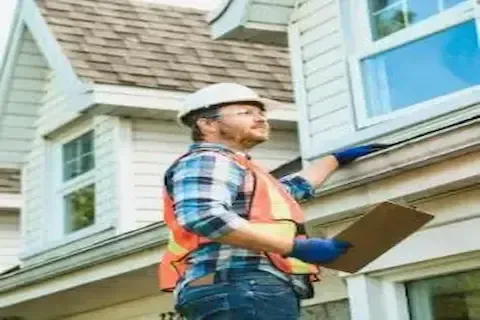
Walk-on roof inspections involve certified inspectors physically accessing and traversing the roof surface to conduct hands-on evaluations. This traditional approach allows inspectors to feel for soft spots, test flashing integrity, and examine materials through direct tactile assessment. Inspectors can lift shingles, check fastener security, and identify issues that may not be visible from a distance.
The walk-on method provides immediate access to areas requiring detailed examination, such as penetration points around vents and chimneys. Inspectors can also assess the structural integrity of the roof deck by walking across different sections and noting any unusual movement or deflection. This direct contact approach has been the industry standard for decades and remains highly effective for comprehensive property evaluations.
Comparative Analysis of Detection Capabilities
Drone inspections excel at identifying surface-level issues such as missing or damaged shingles, granule loss patterns, and obvious structural damage. The aerial perspective reveals problems that might be missed during ground-level visual inspections, including improper installation patterns and wear distribution across large roof areas. However, drones cannot detect subsurface issues like moisture infiltration beneath intact shingles or assess the physical condition of underlying materials.
Walk-on inspections provide superior detection of structural problems, including soft spots indicating water damage, loose fasteners, and compromised flashing systems. Inspectors can identify early-stage deterioration through touch and can access tight spaces that drones cannot navigate effectively. The Roof Inspection process becomes more thorough when inspectors can physically examine questionable areas and verify their findings through multiple senses.
Safety Considerations for Each Method
Drone inspections eliminate the physical risks associated with roof access, including falls, structural damage from foot traffic, and injuries from unstable surfaces. This safety advantage becomes particularly significant for steep-pitched roofs, older structures, or properties with compromised roofing materials. Weather conditions that would make walk-on inspections dangerous, such as wet or icy surfaces, pose minimal risk to drone operations.
Walk-on inspections require careful safety protocols and may not be suitable for all roof types or conditions. Inspectors must use appropriate safety equipment and may need to avoid certain areas of fragile or damaged roofing. The physical demands and risk factors can limit the thoroughness of walk-on inspections in challenging conditions, potentially affecting the quality of the assessment.
Cost and Time Efficiency Factors
Drone inspections typically require less time on-site and can be completed more quickly than traditional walk-on assessments. The reduced labor requirements and elimination of safety setup time often translate to lower overall costs for property owners. Additionally, drone inspections can be scheduled more flexibly and may proceed in weather conditions that would postpone walk-on inspections.
Walk-on inspections may involve higher labor costs due to the time required for safety preparations, thorough physical examination, and detailed documentation. However, the comprehensive nature of hands-on assessment can identify issues that might require follow-up drone flights or additional investigation, potentially providing better value through more complete initial findings.
Local Climate Impact on Inspection Methods
Brooklyn Park's seasonal weather patterns significantly influence inspection methodology effectiveness. Winter conditions with snow and ice coverage make walk-on inspections impractical and potentially dangerous, while drones can still capture useful footage of exposed areas and ice dam formations. Spring thaw periods reveal damage patterns that both methods can detect, though drone technology provides safer access during unstable weather transitions.
Summer and fall seasons in Brooklyn Park offer optimal conditions for both inspection types. However, the intense sun and heat of summer afternoons can create challenging conditions for walk-on inspections, while drones can operate effectively throughout the day. Storm damage assessment following severe weather events common to the region often benefits from drone technology's ability to quickly survey large areas safely.
Understanding the pre purchase roof check explained becomes crucial when choosing between inspection methods for property transactions in the area.
Professional Recommendations for Method Selection
The choice between drone and walk-on inspection methods should align with your specific objectives and property characteristics. Drone inspections work well for routine maintenance assessments, insurance documentation, and situations where safety concerns limit roof access. Properties with complex architectural features or extensive roof areas often benefit from the comprehensive coverage that drone technology provides.
Walk-on inspections remain the preferred choice for pre-purchase evaluations, detailed condition assessments, and situations requiring definitive answers about structural integrity. Combining both methods can provide the most thorough evaluation, using drone technology for initial assessment and overview documentation, followed by targeted walk-on examination of identified problem areas.
